SUSTAINABILITY
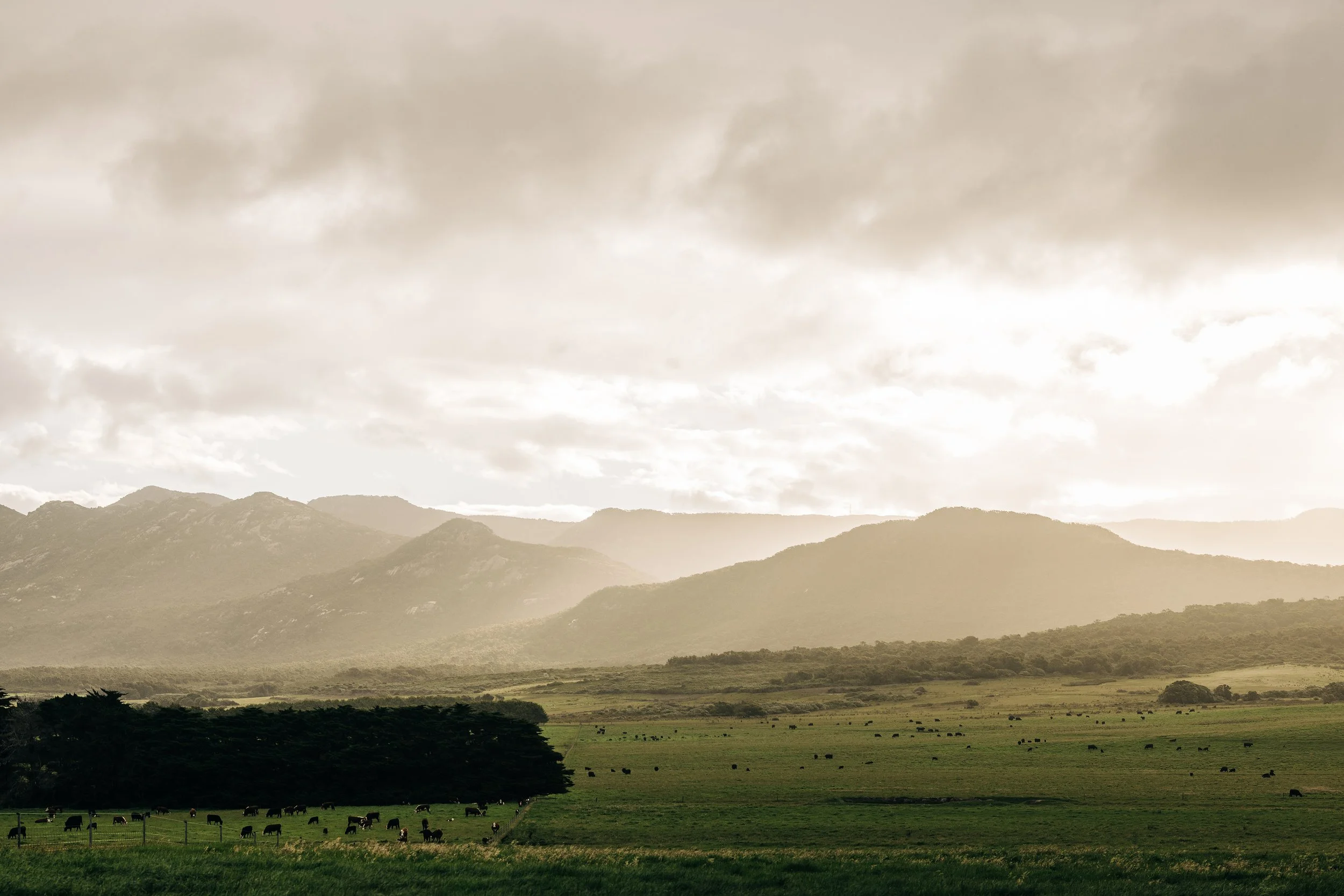
Flinders Island is known for being a pristine, beautiful part of Tasmania which it feels like time forgot. We can look out from the distillery patio and see both a storm front rolling in, and the part where it ends. It’s an incredible natural place, and one that we feel strongly about protecting.
A distillery can have outputs and draws on the environment, with power consumption, waste or materials. Here’s how we have chosen to build our business responsibly.
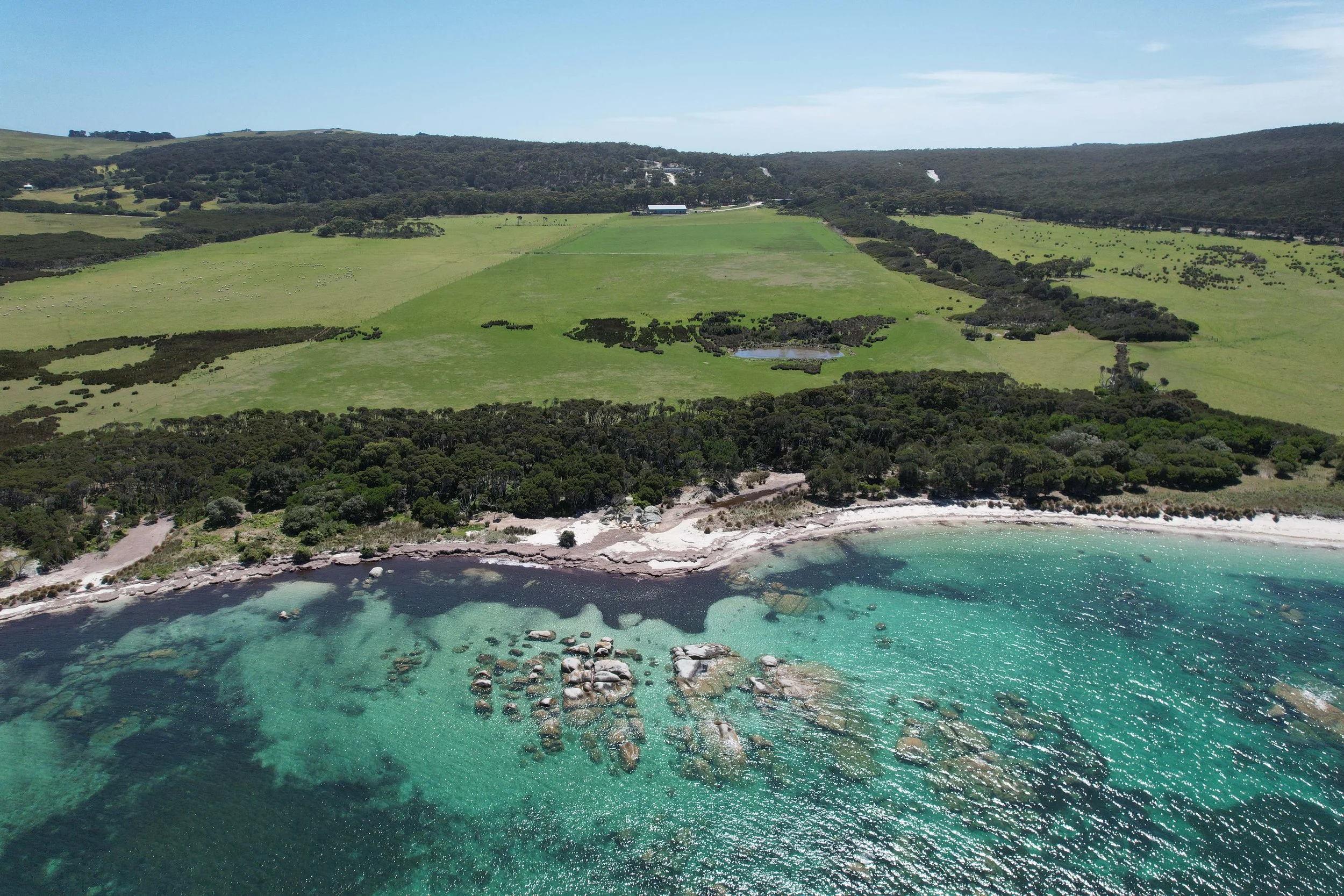
Our new distillery site was build in 2023 with an EcoTruss timber frame, the roof of which is lined with a 57.3kW solar array which is set to generate our full annual energy requirements.
We have 18 rain water tanks onsite, collecting around 450kL of water from our shed roofs. We use 3 of these tanks on a closed loop for our condensers, so while we use water to cool our stills and brewhouse during production, no water is lost in the process.
OUR BUILDING
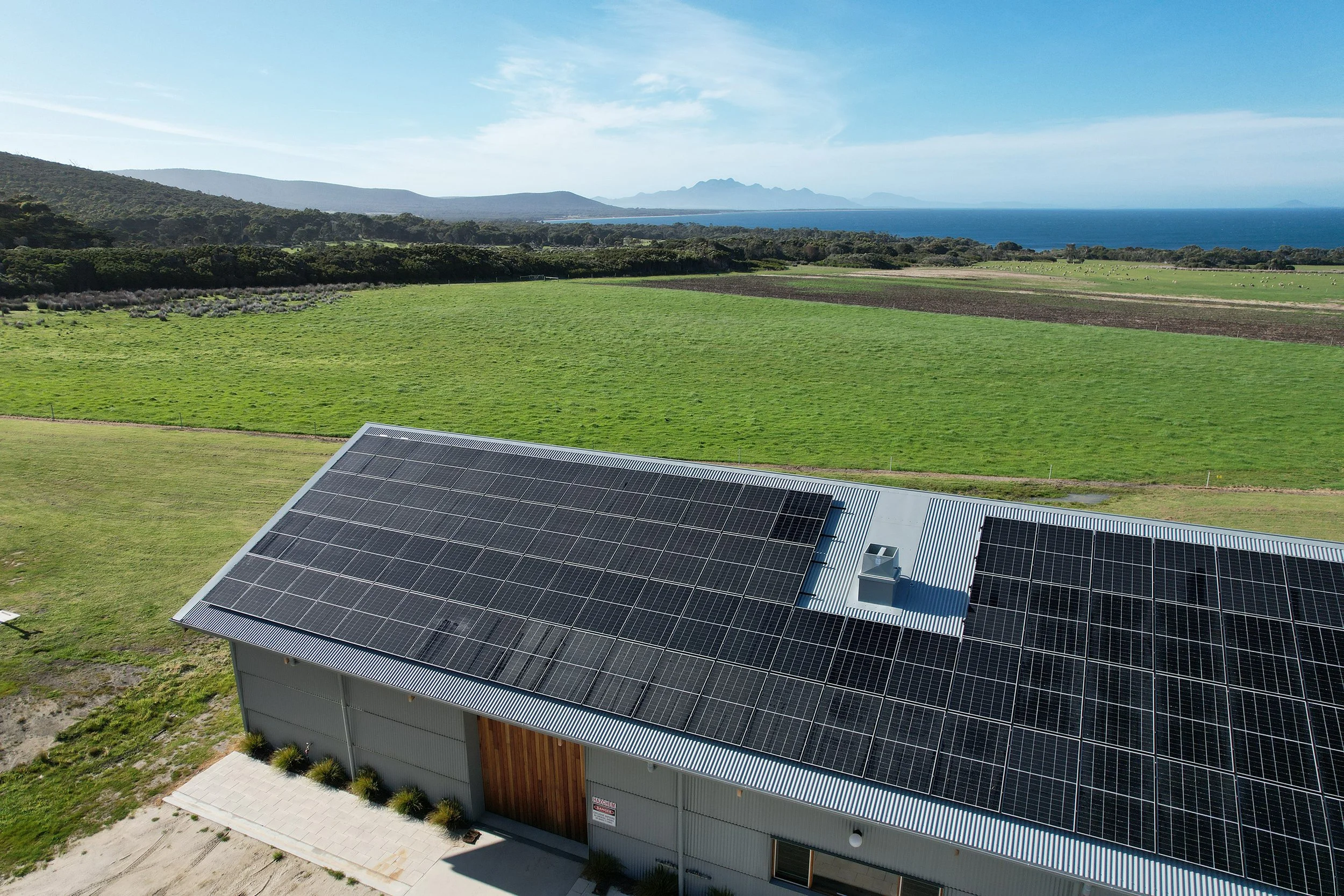
SOLAR ARRAY: 57.3kW
40.03 CO2 REDUCTION (TON)
16.22 STANDARD COAL SAVED (TON)
2,186 EQUIVALENT TREES PLANTED
PRODUCTION INPUTS/OUTPUTS
STILLS
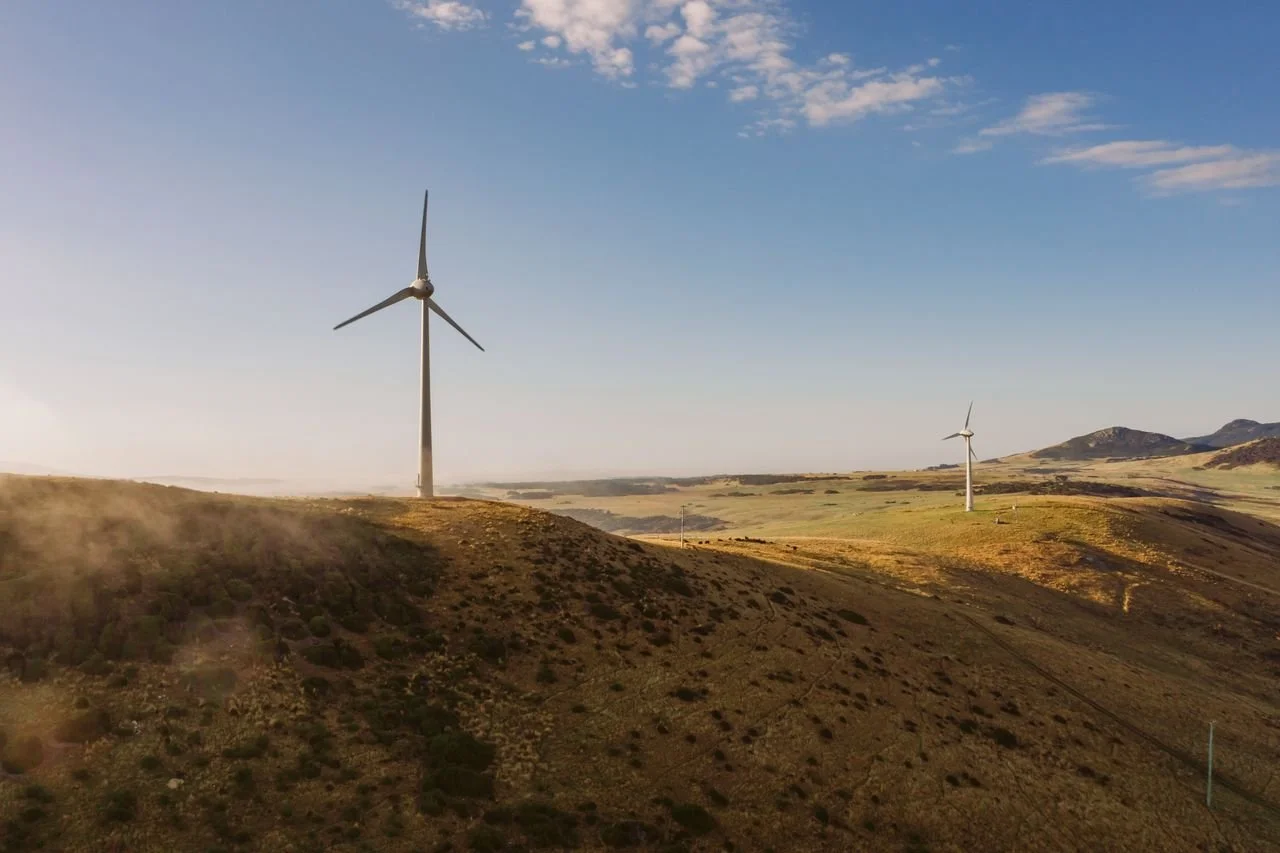
Our stills are electrically heated, and with our full solar array in addition to the Flinders Island Hybrid Energy Hub providing up to 60% renewable power, our production reliance on non-renewables is virtually zero.
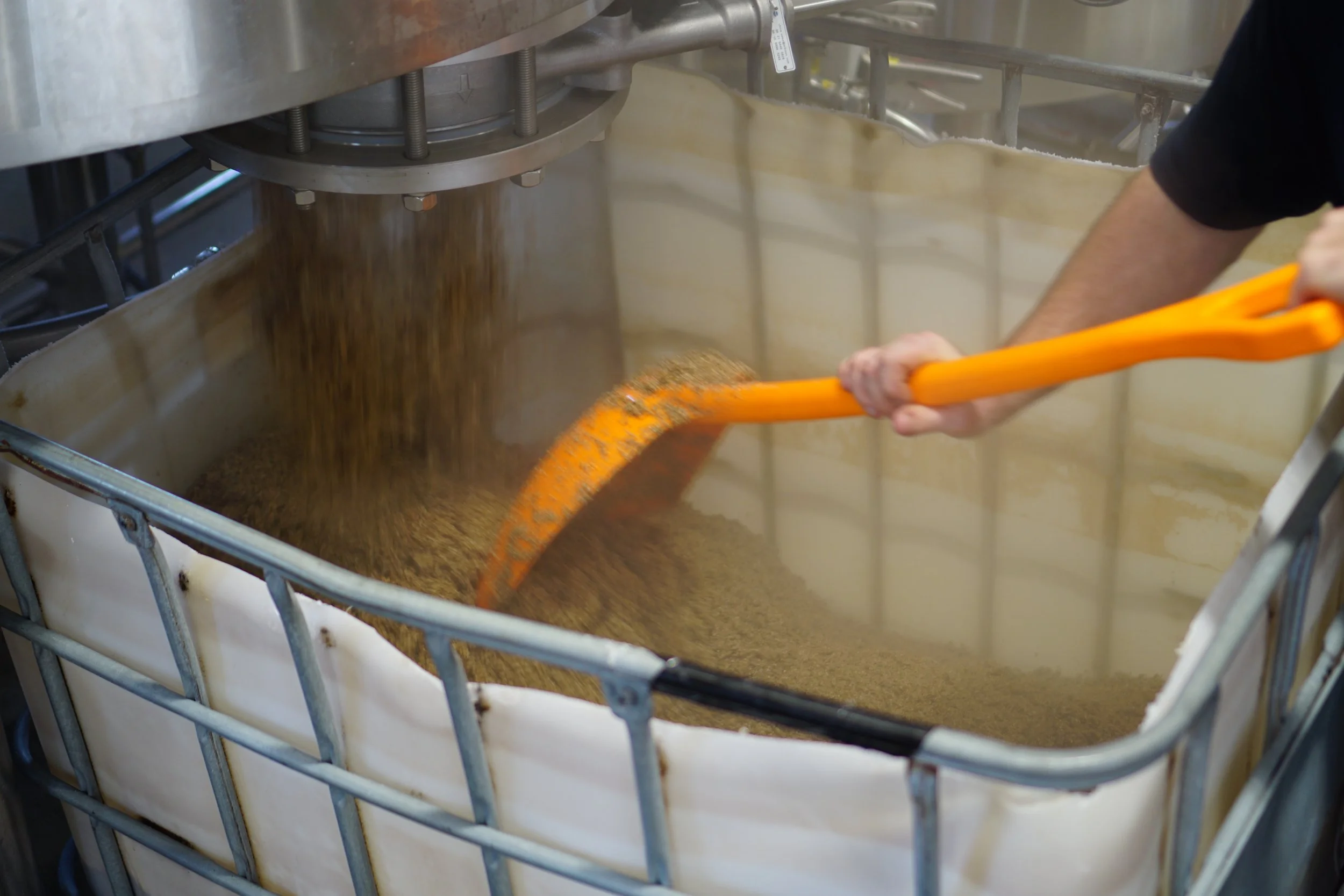
In addition to our brewhouse running on electrically heated tank water, the only output during mash-in is approximately 500kg of spent malt. This is all collected and picked up by our friends on the island as feed for pigs. Some is even used by Biosecurity to entice the feral pig population to bush traps.
BREWHOUSE
SPENT LIQUID
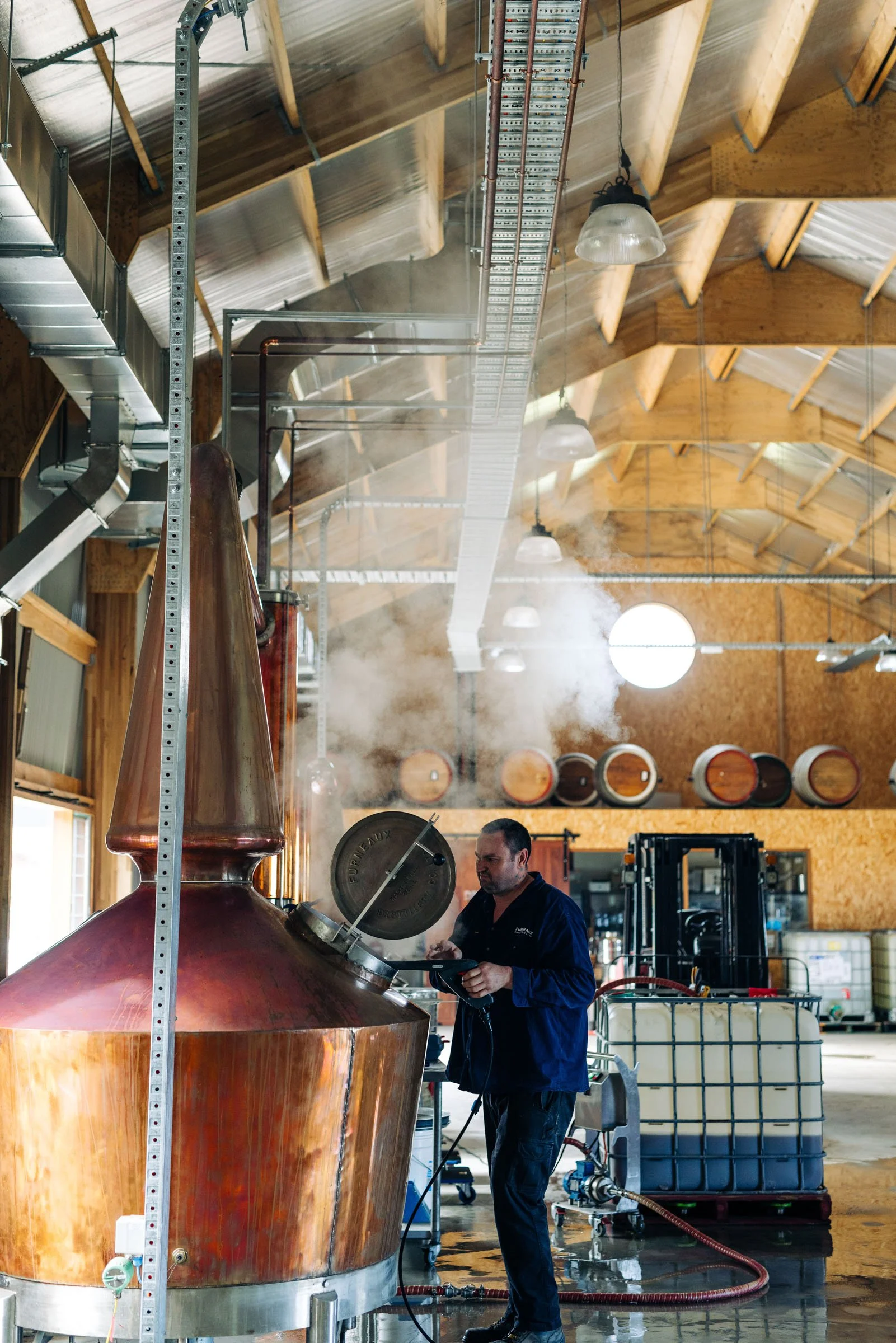
The final output during a whisky distillation process is pot-ale/lees. This is the remaining liquid after all alcohol has been distilled off for spirit. This liquid is used for irrigation around the farm.
PACKAGING
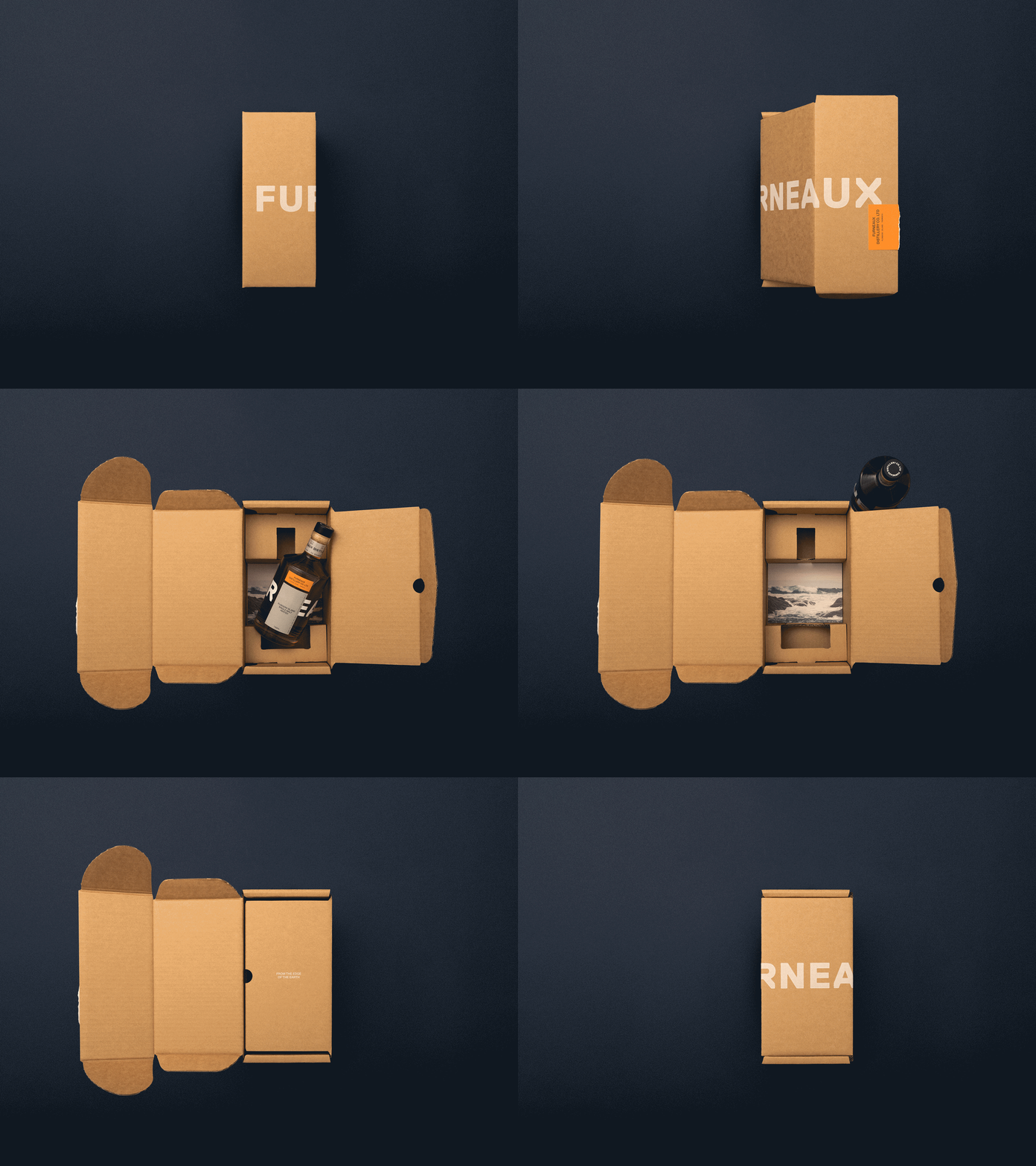
We’re able to employ a lot of solutions in our finished product to lower our impact on the environment. There is nothing in our bottling and packaging process which is not either reusable, recycled or recyclable.
Our shipper boxes are made from recycled cardboard
Our tamper-proof seals are made from certified composable cellulose
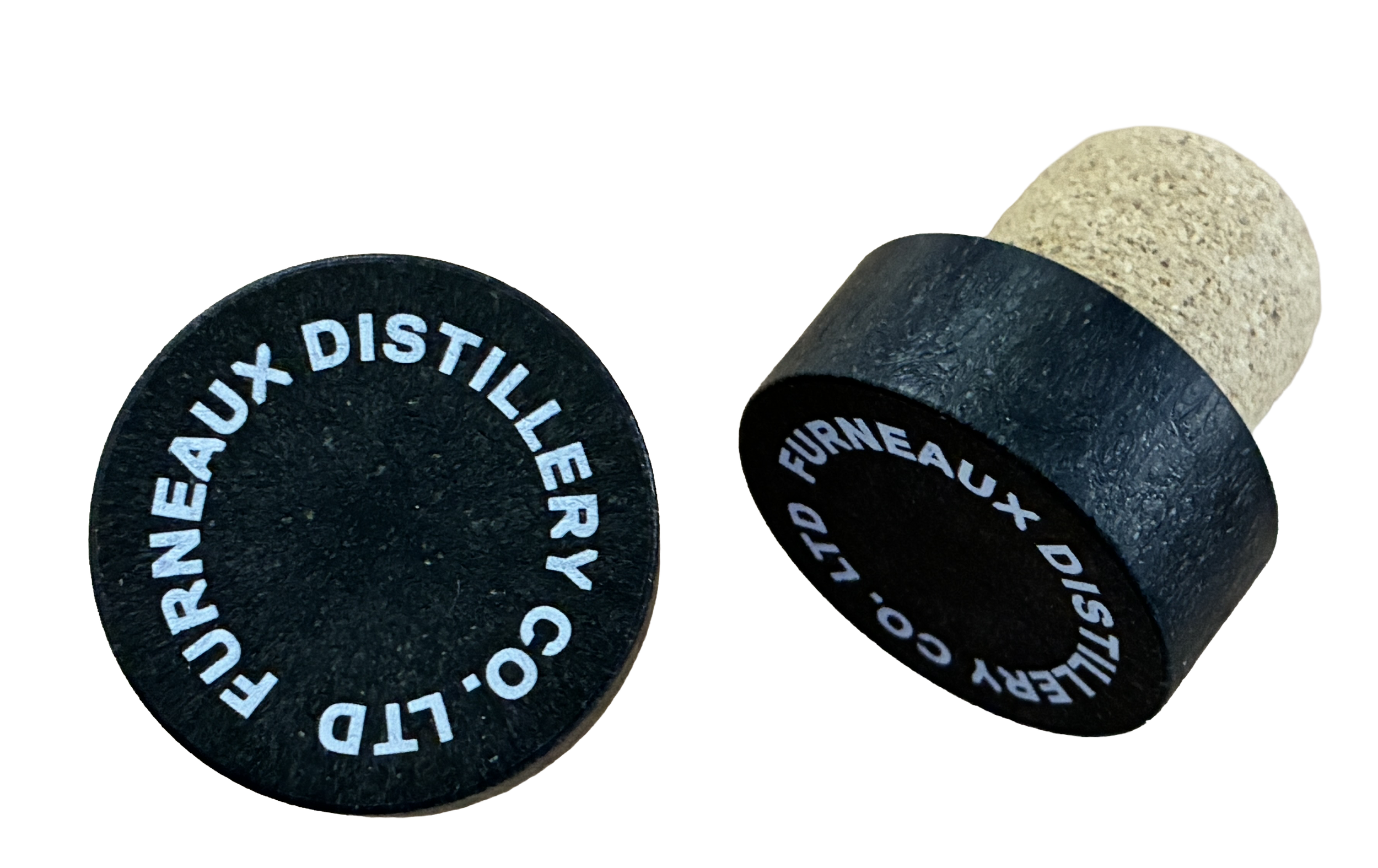
Our corks are made by incorporating crushed oyster shells into their composition, reducing their carbon footprint by almost 41%
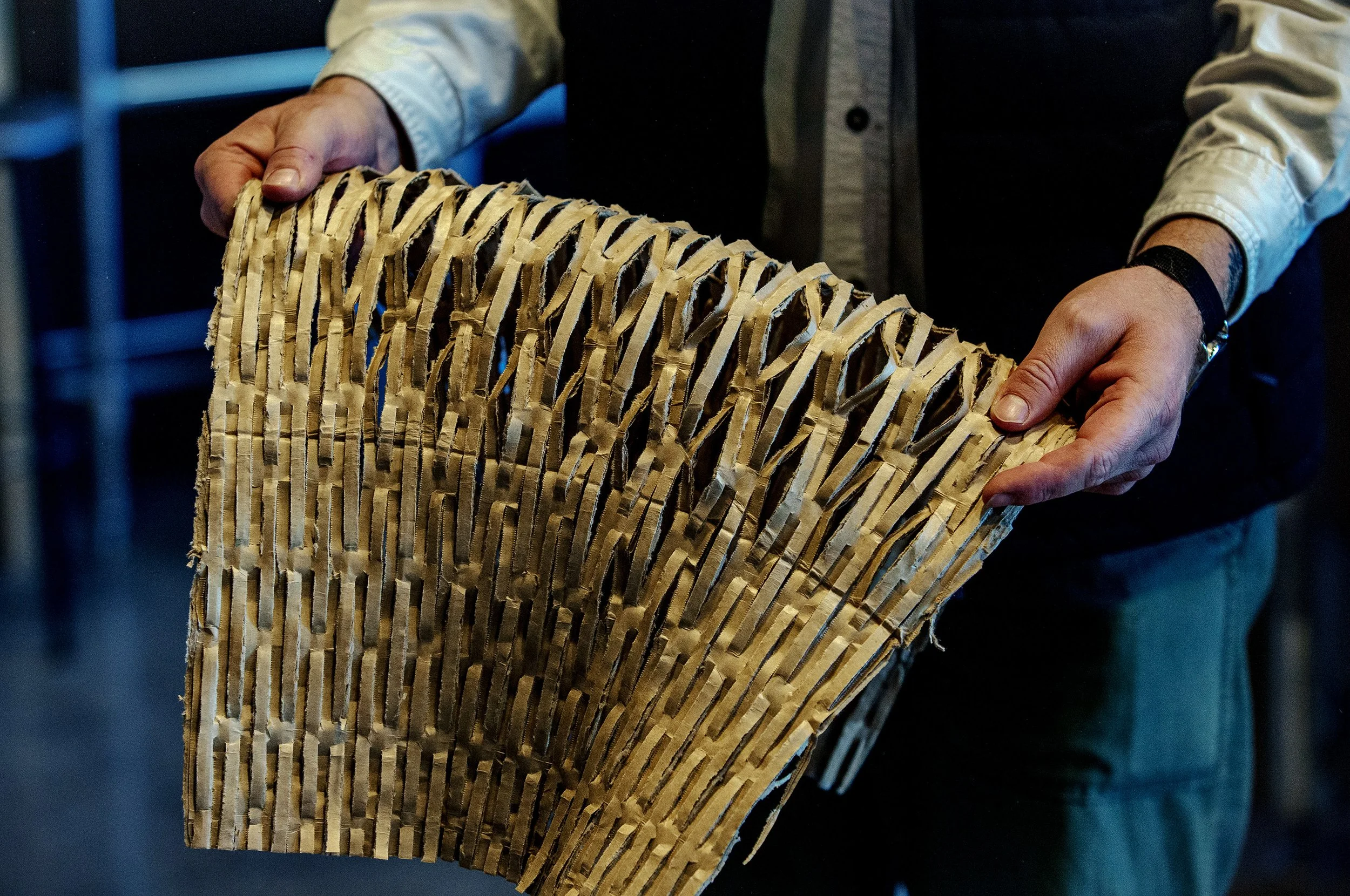
We keep and reuse all packing material, shredding used cardboard boxes into void fill, keeping our materials in circulation for as long as possible